
Resources
Spike sorting
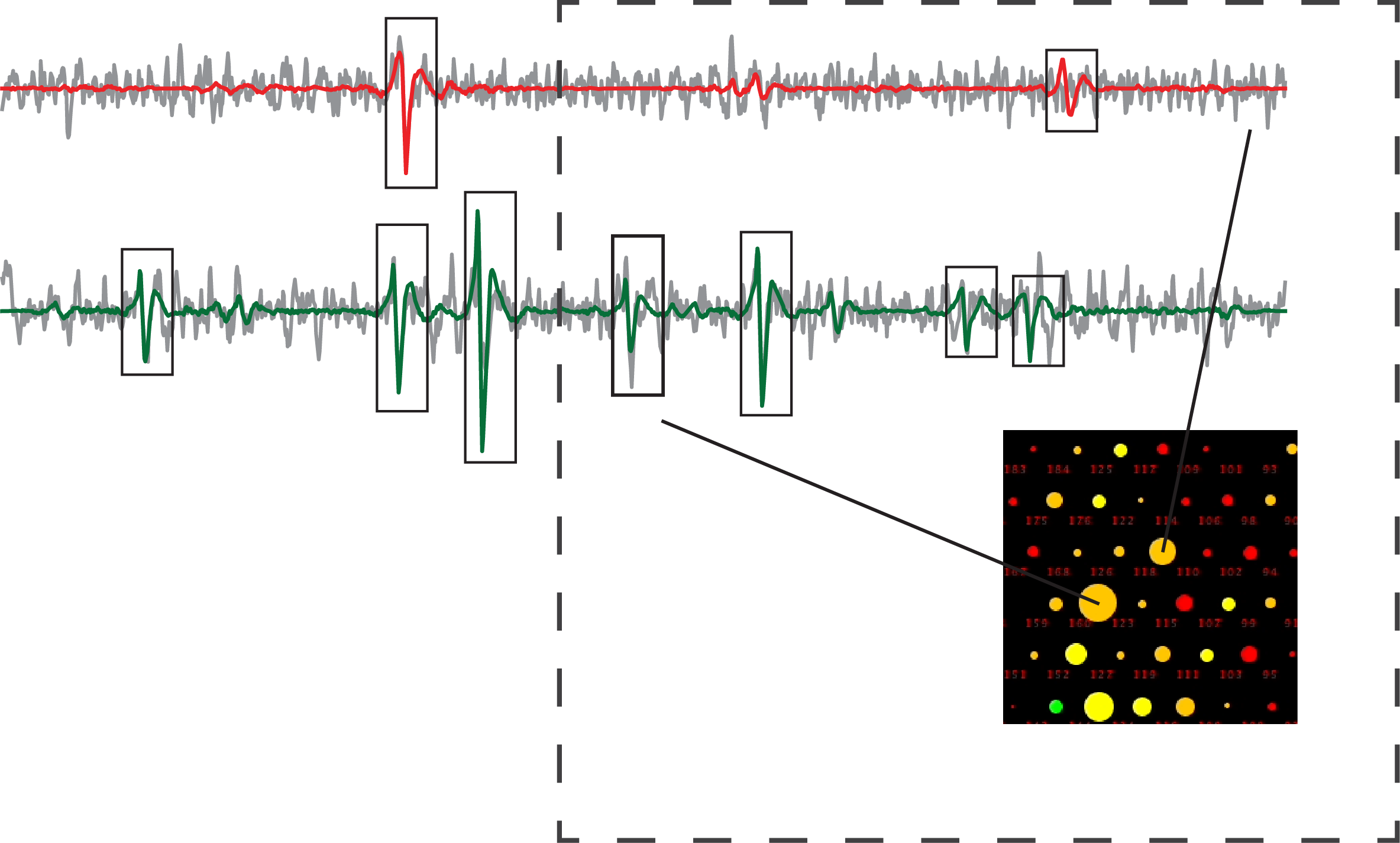
Making sense of large-scale electrophysiological data depends on the reliability with which spikes are extracted from voltage traces and accuracy with which the spikes are assigned to individual neurons. We employ spike sorting methods such as Kilosort, YASS, and Spyking Circus, for analyzing electrophysiological data. We validate these methods across different models used for vision research.
Computational modeling
The architecture and connectivity of the retina allow sophisticated computations relevant for vision. We are developing linear-nonlinear encoding and decoding models, and CNN-based models, to understand visual signaling properties in rod and cone dominated mammals.

Software & code
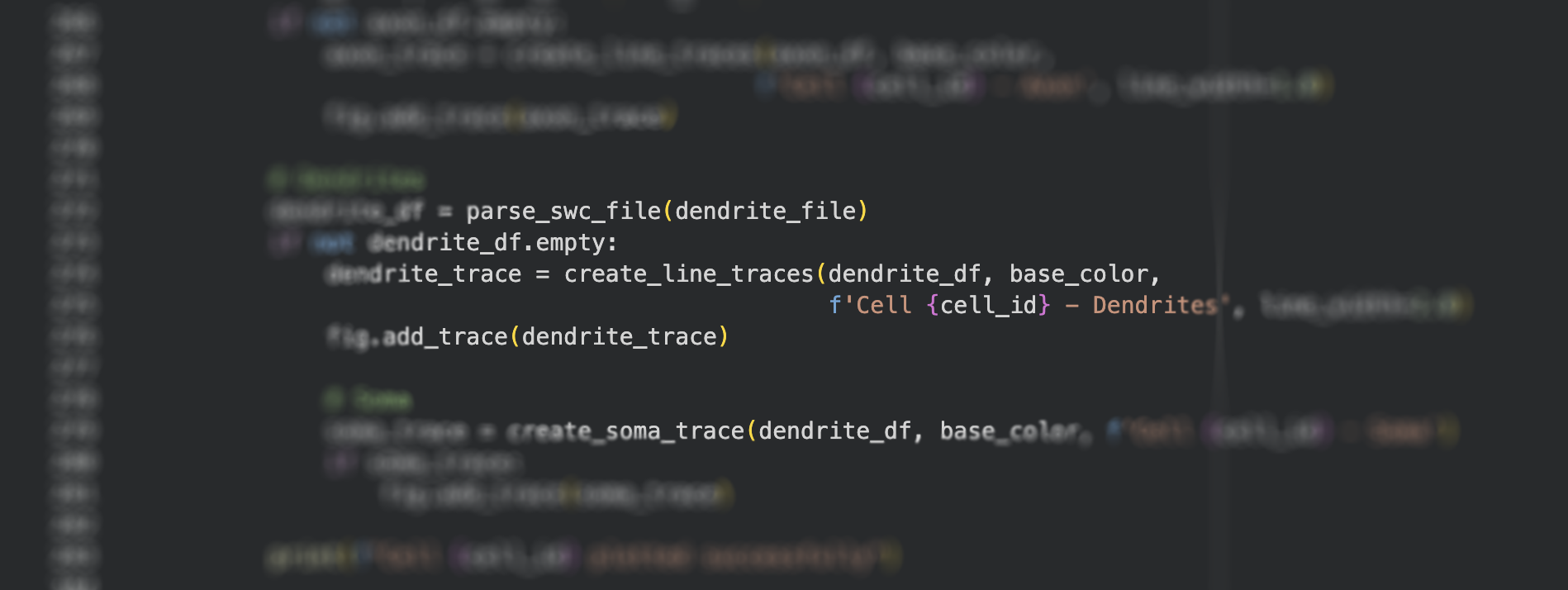
We continuously update our codebase for data analysis, computational modeling, and generating novel visual stimuli for experiments. Explore our work on the GitHub repository.
Our resource-intensive computations run on the High Performance Cluster (HPC) at the University of Utah, as well as platforms like Google Colab.

Designing & prototyping
We design and prototype custom components for optical setups, experimental rigs, and other lab applications. Parts are 3D printed in-house or CNC machined for use.