Research at Roy Lab

Retinal projections to the brain
How do visual signals from the retina converge to distinct brain areas that guide behavior? We use a cross-species framework, combining viral, anatomical, and electrophysiological approaches, to map retina-to-brain connectivity at single cell resolution. Our overarching goal is to address fundamental questions about how and why different mammalian visual systems have adapted to distinct environmental pressures.
Neurodegeneration and vision loss in glaucoma
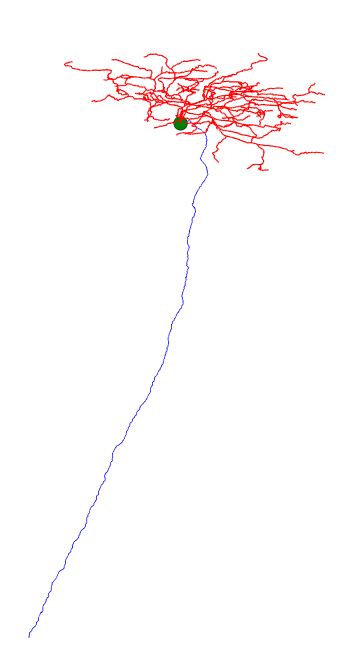
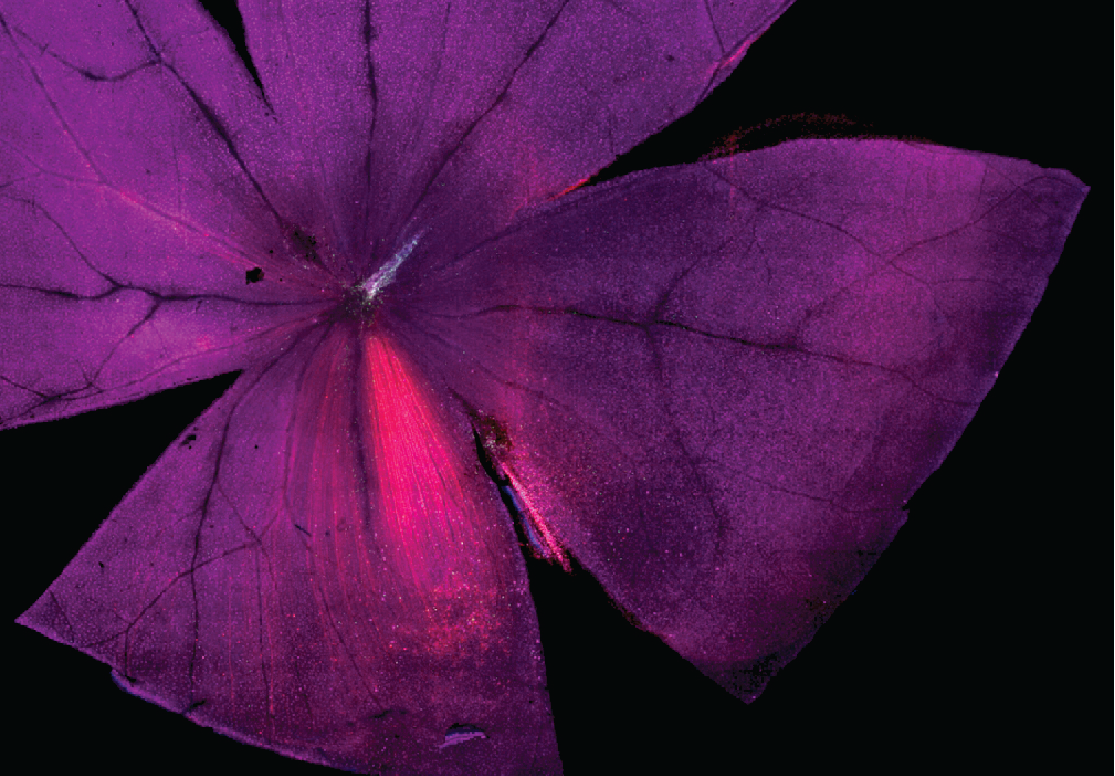
How do retinal ganglion cells degenerate under sustained elevated intraocular pressure (IOP)? We investigate the mechanisms of inflammation and damage to retinal ganglion cells and their axons in the optic nerve. Through use of preclinical models, and functional and molecular assays, we examine the time-dependent changes that cause vision loss. We focus on genes (read more) expressed in astrocytes, Müller glia, and retinal ganglion cells, studying how IOP regulates these genes and how they influence the structure and function of retinal ganglion cells and the optic nerve. Our ultimate goal is to translate these findings into precision therapies for vision restoration in glaucoma.
Activity dependent circuit refinement
How does visual experience shape neural circuits and their functions? Using large-scale electrophysiology, molecular tools, and transcriptomic assays, we study how visual input refines retinal circuits and their connectivity during critical postnatal periods. We aim to reveal how these refinements occur at successive stages of the visual system from the retina to the visual cortex.
Retinal computations for vision
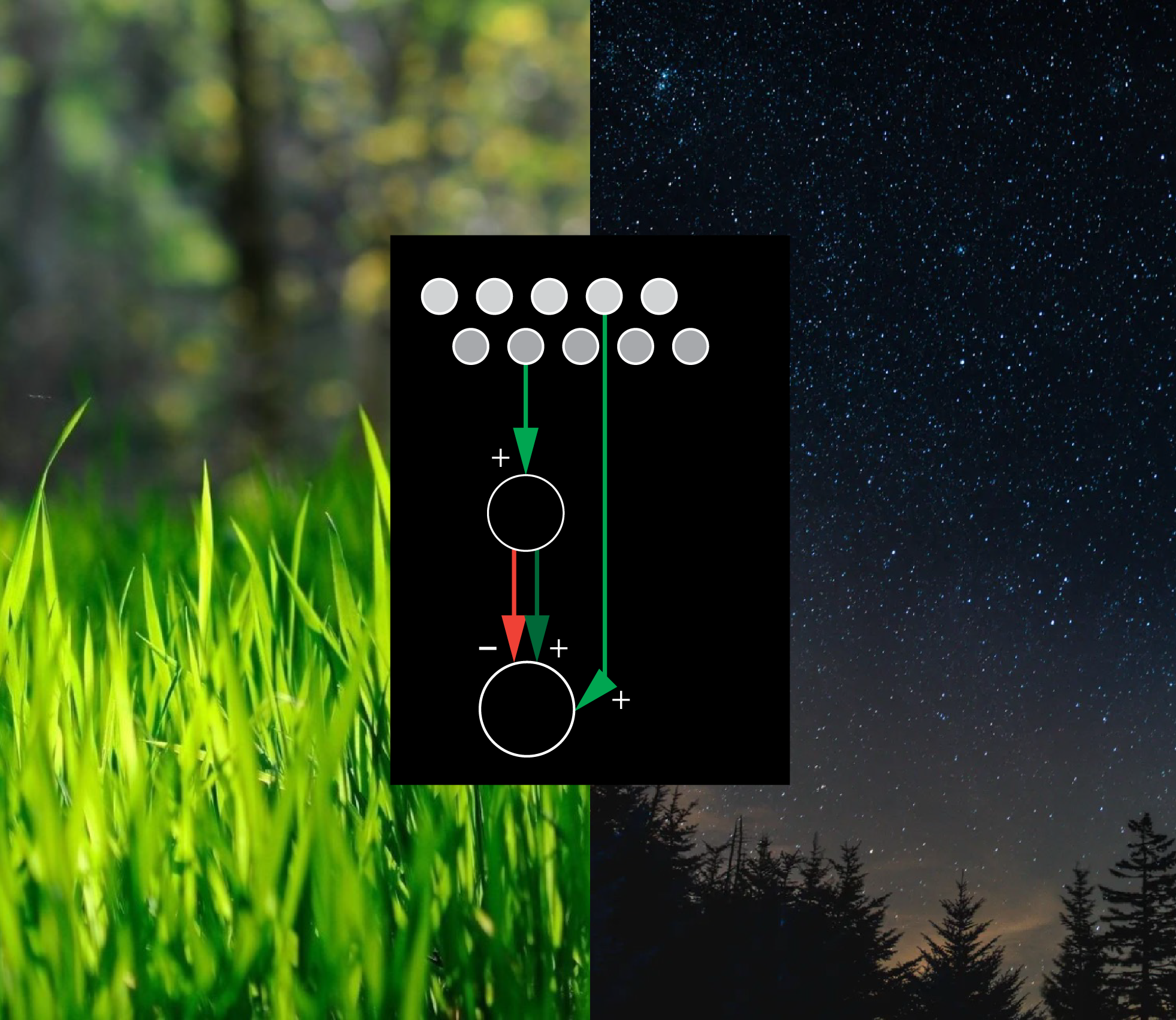
The retina executes a remarkable range of computations to extract relevant information from the visual world. These computations are not just flexible, adjusting to luminance changes in the environment, but also vary substantially between nocturnal and diurnal species. We develop encoding, decoding, CNN-based models to study how distinct retinal circuits compute features such as direction, contrast, orientation, and color, and more broadly, how these computations are specialized to the ecological needs of each species.